There is no shortage of online marketing tools. For a small business that can be a problem rather than a benefit. It is easy to sign up for several platforms, use each one for a few weeks and end up with scattered data and monthly subscriptions nobody remembers starting. A simple, deliberate approach helps you build a set of tools that fits the way your business actually works.
Start with goals, not features
Before comparing products, write down what you want marketing to achieve in the next six to twelve months. More enquiries through the website, more repeat customers or better visibility in local search all call for different tools. When the goal is clear, it becomes easier to ignore features that look impressive but will not move the business forward.
It also helps to note who will use each tool and how much time they have. A powerful platform that nobody has time to learn is worth less than a simple one that gets used every week.
Cover the core categories first
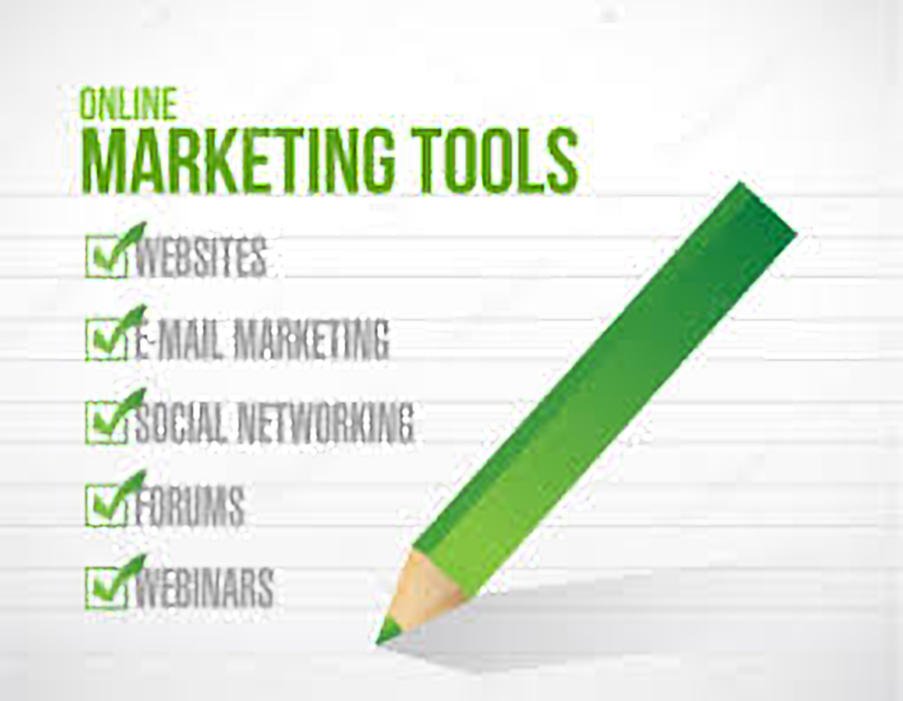
Most small businesses need something in a handful of basic categories:
- Website analytics to see where visitors come from and what they do on your site.
- Email marketing to stay in touch with customers and people who have shown interest.
- Social media management to plan and schedule posts on the channels your audience uses.
- Search engine optimisation tools to check how your pages perform in search and find technical issues.
- A simple CRM or contact list to keep track of leads and customers.
Get these basics working well before adding more specialised software. Our overview of marketing analytics tools explains why measurement deserves a place near the top of that list.
Questions to ask before you commit
When you have a shortlist, a few questions help separate a good fit from a poor one:
- Does it connect with the tools you already use, such as your website platform or CRM?
- Can you export your data easily if you decide to switch later?
- How does the pricing change as your contact list or team grows?
- Is support available in a way that suits you, and is the documentation clear?
- How does the provider handle customer data and privacy requirements that apply to your business?
Test, then review regularly
Many tools offer a free plan or trial period. Use it for a real task, such as sending one newsletter or scheduling a week of posts, rather than just clicking through the menus. After a few months, review what you are paying for and what you actually use. Overlapping tools are common, and removing one often saves money and simplifies reporting.
The right set of tools is rarely the largest one. It is the set your team uses consistently, that gives you reliable data and that supports clear goals. Start small, measure what matters and add tools only when there is a real need.